
Mizuno
At the Chuo plant in Hiroshima, an iron head and its hosel, the neck that receives the shaft, are formed from one piece of steel. Mizuno’s process guide follows that piece through heating, bending, hammering and finishing. The shape of a golf club emerges in stages.1
 Mizuno
Mark unavailable
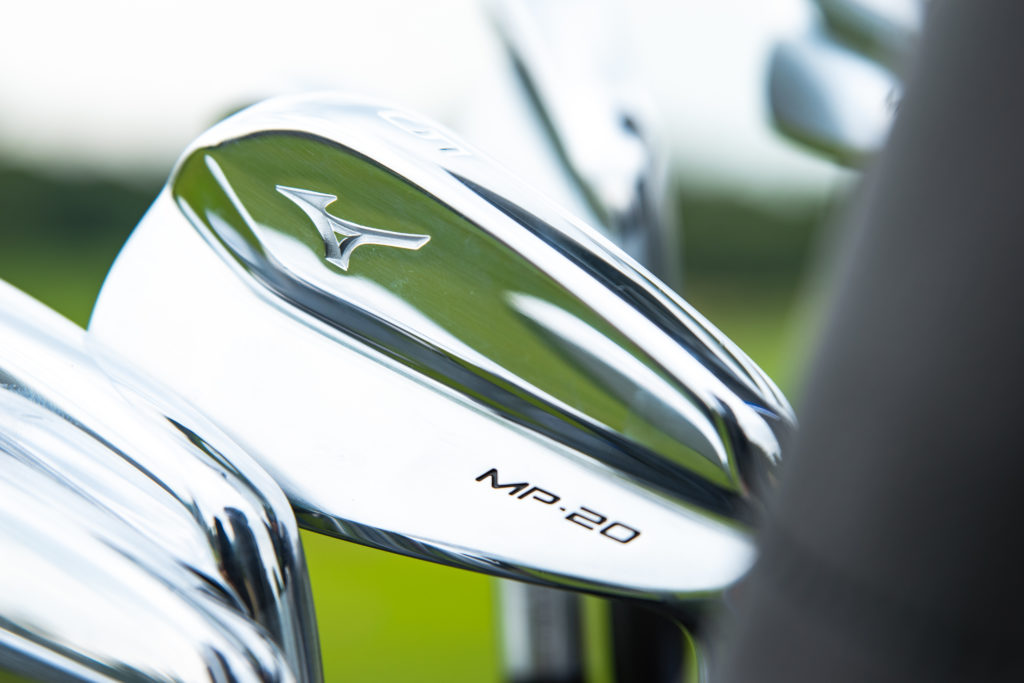
Mizuno began making golf equipment under the Starline name in 1933. Production of its forged irons moved to Chuo in 1968. Forging shapes heated metal under pressure; at Chuo, the partly formed head is reheated and pressed again before grinding and plating.12
There is a place for those irons in American championship history, too. Payne Stewart used Mizuno Pro MS-4 irons when he won the 1999 U.S. Open at Pinehurst No. 2. His equipment came from several makers, including a Cleveland wedge. Golf Channel’s account traces the choices he made after his Spalding contract ended.3
At a glance
Sources
- Mizuno GolfThe Art of Forging
- Mizuno GolfThe Footsteps of Legends
- Brentley Romine / Golf Channel25 years later: How a putter switch and a tip helped Payne Stewart to U.S. Open victory